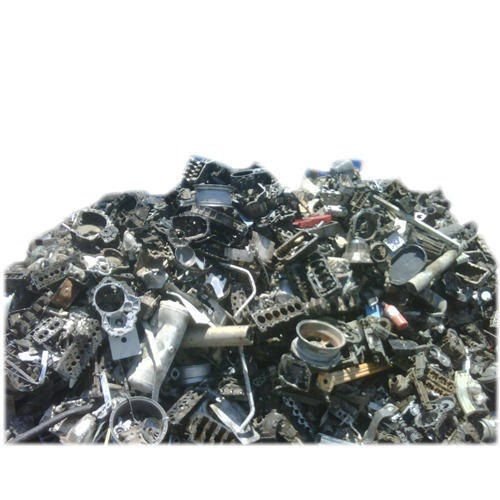
Aluminium Tense
High-quality mixed aluminum scrap consisting of clean, old sheet and cast alloys, essential for efficient secondary smelting and manufacturing.
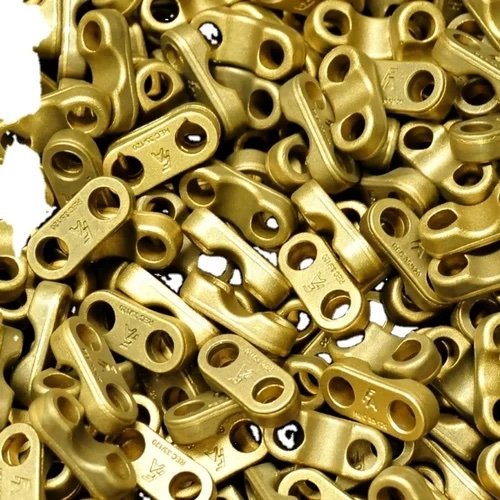
Brass Honey
Clean, yellow brass solids consisting of machinery parts, valves, and plumbing fixtures, offering high copper content for premium secondary smelting.
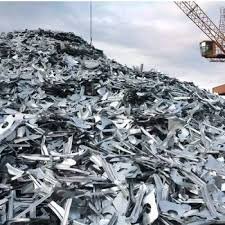
Busheling Scrap
Clean, unalloyed steel scrap from industrial stamping or forging, featuring low copper content and high density for premium steel production.
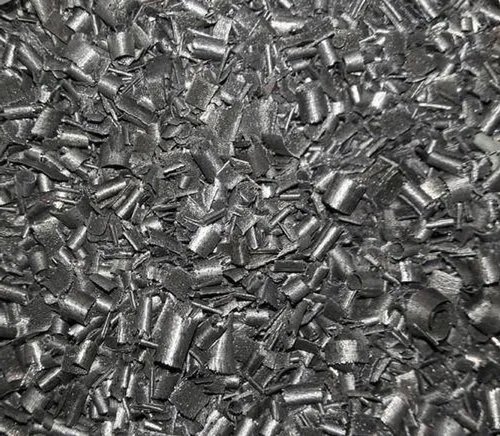
Cast Iron Boring
Clean, dry cast iron borings and turnings, free of contaminants, used for efficient melting in high-quality iron and steel production.
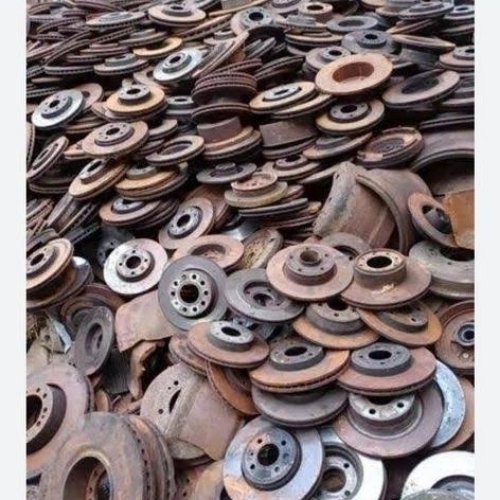
Cast Iron Solid Scrap
Clean, heavy cast iron scrap including machine bases and engine blocks, valued for high carbon content in foundry melting processes.
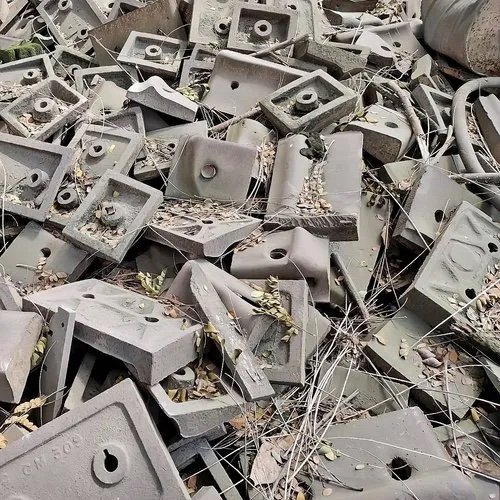
Chrome Scrap
High-quality stainless steel or chrome-plated scrap, valued for its corrosion resistance and essential for producing specialized, durable alloy steel products.
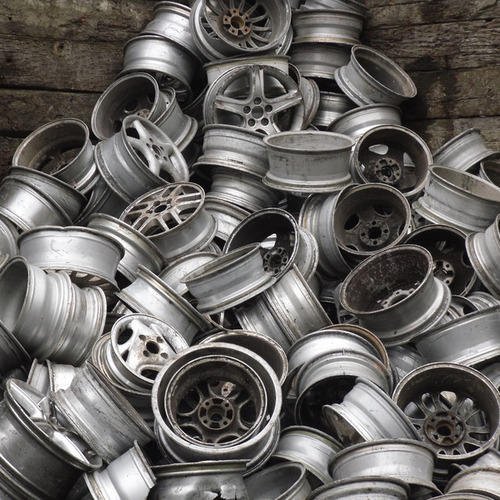
Alloy Wheel
Clean, aluminum alloy wheels free from tires, lead weights, and valves, highly valued for their consistent grade and structural purity.
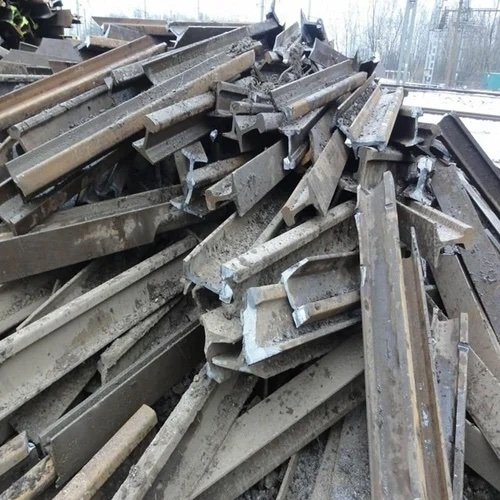
HMS 1
High-quality, heavy melting steel scrap over 1/4 inch thick, consisting of cut structural steel, plates, and industrial-grade forged components.
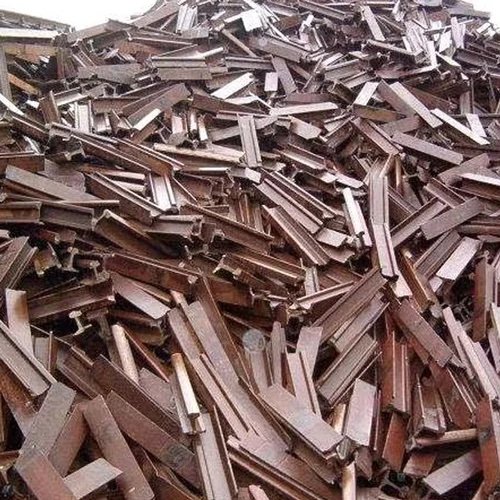
HMS 1& 2
A mix of heavy melting steel including structural steel and industrial scrap, meeting international standards for efficient high-volume steel production.
Incinerated and Shredded Scrap
Magnetically separated, clean ferrous scrap recovered from processed municipal waste or automotive shredding, optimized for high-density furnace charging and recycling.
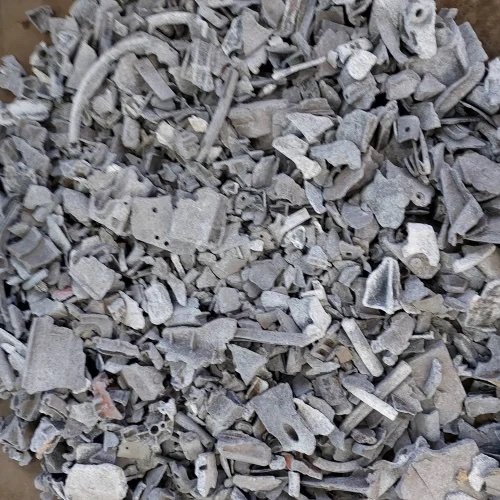
Magnesium Scrap
Clean magnesium solids and turnings, valued for high strength-to-weight ratios in automotive and aerospace industries, requiring specialized, moisture-free handling and processing.
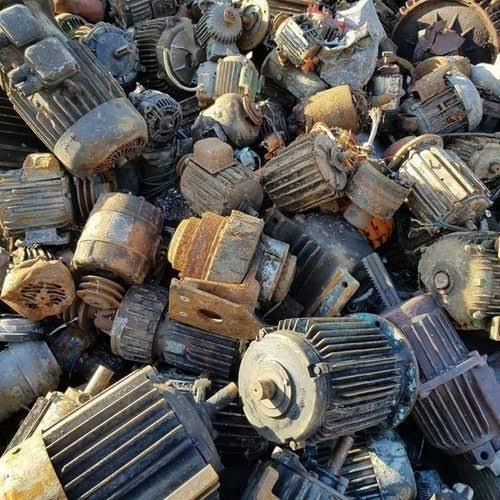
Motors/ Generators Scrap
Copper-rich scrap from electric motors and generators, containing valuable windings and ferrous housings, optimized for efficient metal recovery and recycling.
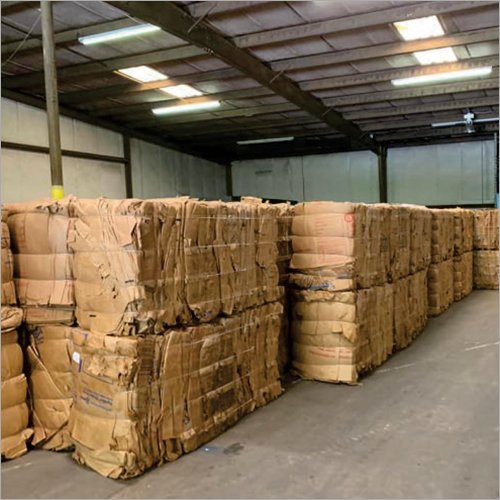
OCC Paper Waste
High-quality old corrugated containers and cardboard waste, essential for sustainable fiber recovery and the production of new recycled packaging materials.
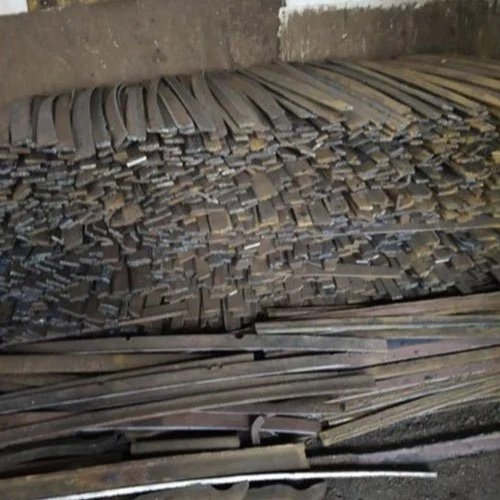
Rerolling Plates Scrap
Clean, heavy-duty steel plates and structural cuttings, ideal for industrial rerolling processes to manufacture new steel products with high integrity.
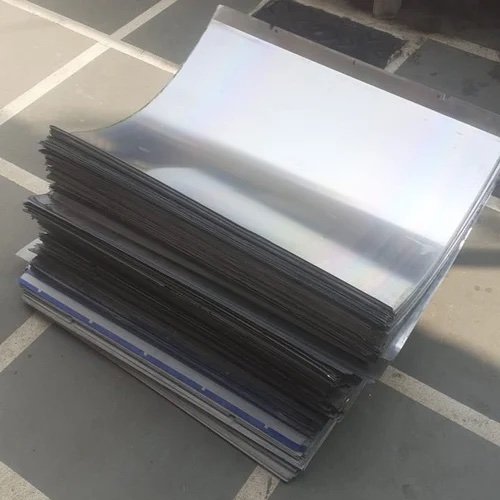
Reusable Sheets
High-quality, durable steel sheets recovered from industrial sources, suitable for direct reuse in construction, fabrication, or secondary manufacturing applications.
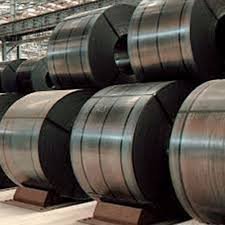
Secondary Coils, Sheets, Plates, Pipes
High-quality, non-prime steel coils and sheets including plates and pipes, offering cost-effective solutions for secondary fabrication and industrial manufacturing applications.
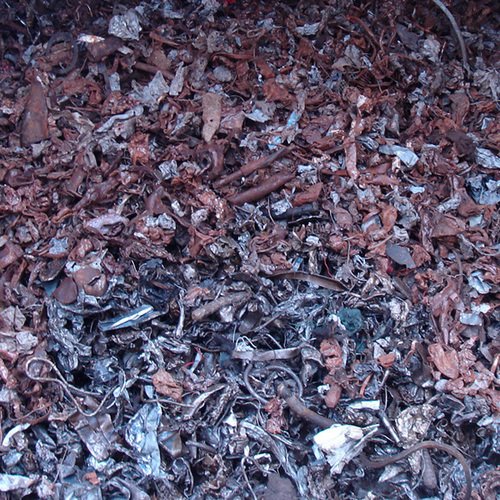
Shredded 211
Homogeneous, magnetically separated ferrous scrap derived from shredding automotive and miscellaneous steel, offering high density and purity for melting.
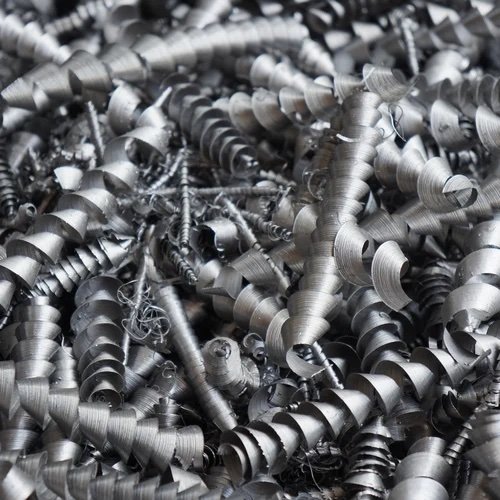
Steel Turnings
Fine, curly steel shavings from industrial machining, valued for high-density recycling and efficient remelting into new, high-quality steel products.
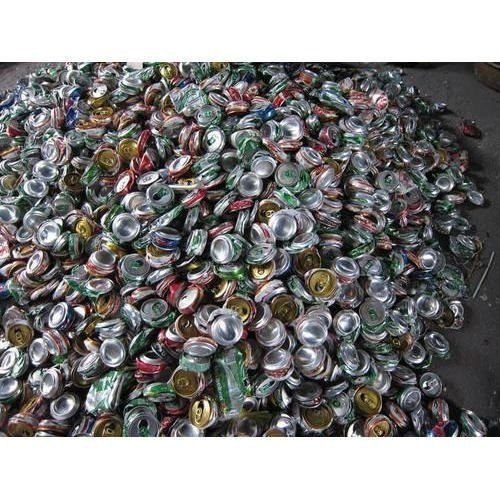
Tin Can shredded
High-quality old corrugated containers and cardboard waste, essential for sustainable fiber recovery and the production of new recycled packaging materials.
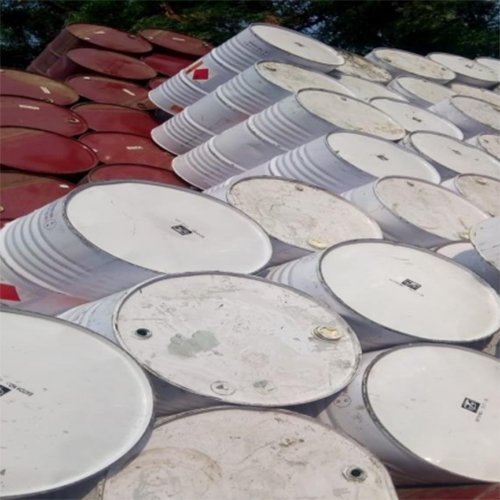
Tin Circles
High-quality, circular steel scrap leftovers from industrial tinplate stamping, featuring consistent thickness and purity for efficient secondary manufacturing and recycling.
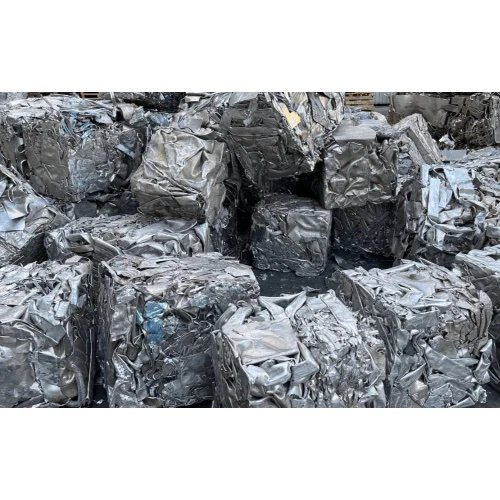
Tin Coated Scrap
High-quality steel scrap with protective tin coating, recovered from industrial sources and processed for efficient detinning or direct specialized recycling.
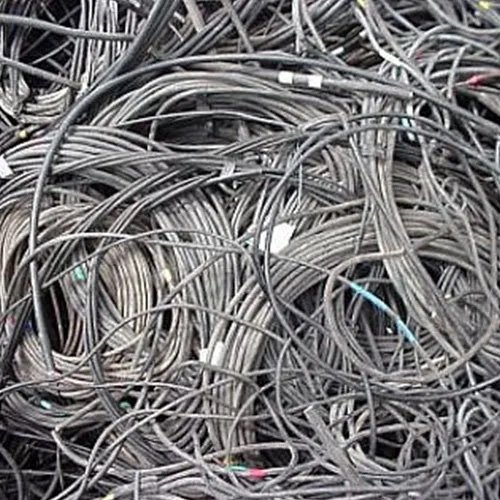
Tire Wires
High-tensile carbon steel wires recovered from recycled tires, processed for high purity and used as essential feedstock for steel mills.
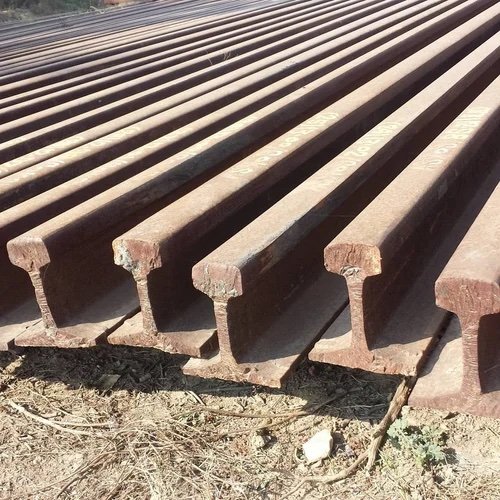
Used Rail
High-quality, decommissioned steel tracks like R50 and R65, prized for their durability and purity in rerolling and steel manufacturing.

Used Robots
Decommissioned industrial robots and robotic arms, valued for refurbishment, high-quality spare parts, or high-grade non-ferrous and ferrous metal recovery.
