Clinker: The Core Component of Modern Cement Production
In the industrial supply chain, clinker serves as the critical intermediate material that bridges the gap between raw mineral extraction and the final production of cement. For AUM Scrap & Metal Waste Trading USA LLC, clinker represents a vital commodity within our bulk materials portfolio in the USA. As an essential “binder” that provides concrete with its structural strength, clinker is the cornerstone of the global construction industry. Our expertise in managing high-volume industrial resources allows us to source, grade, and distribute clinker that meets the rigorous engineering standards required for large-scale infrastructure projects.
The Science of Clinker Production
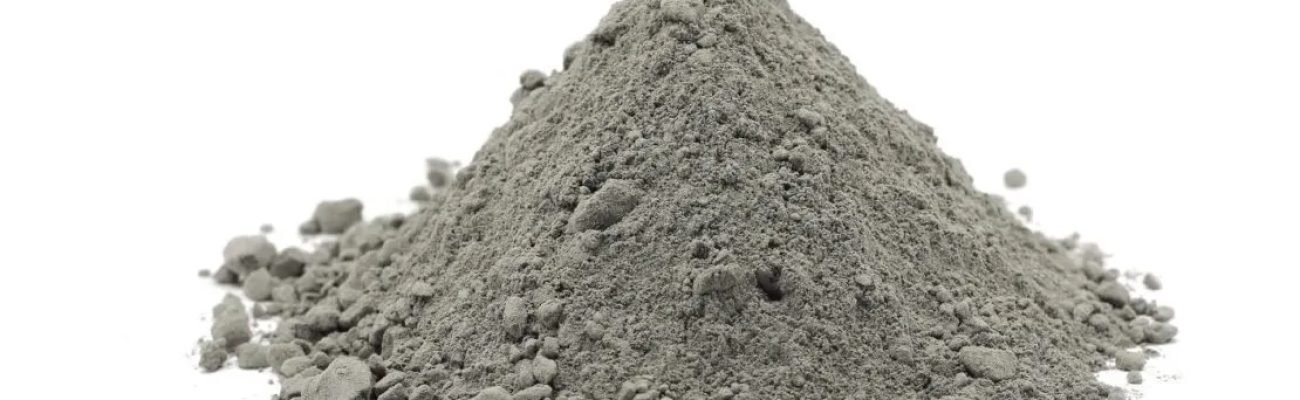
Clinker is produced through a sophisticated chemical transformation known as “calcination.” This process involves heating a precisely balanced mixture of limestone, clay, and iron ore in a rotary kiln to temperatures reaching approximately 1450°C. At these extreme temperatures, the raw materials undergo a chemical reaction, fusing into small, dark gray, marble-sized nodules known as clinker.
The quality of the final cement is entirely dependent on the chemical “chemistry” of the clinker. A professional trade partner like AUM ensures that the clinker contains the correct proportions of four key minerals:
Alite (Tricalcium Silicate): Responsible for the early-stage strength of the concrete.
Belite (Dicalcium Silicate): Provides long-term strength and durability.
Aluminate: Governs the setting time of the mixture.
Ferrite: Acts as a flux, lowering the required temperature in the kiln during production.
Strategic Sourcing and Technical Verification
At AUM Scrap & Metal Waste Trading USA LLC, we treat clinker with the same technical scrutiny that we apply to our high-grade metal alloys. Our sourcing strategy focuses on identifying producers who maintain consistent chemical profiles. This consistency is vital for cement grinding plants, as it allows them to predict how the material will behave when mixed with gypsum and other additives to create the final Portland cement.
Every shipment we manage undergoes rigorous testing to verify:
Liter Weight: A measure of the clinker’s density, which indicates the efficiency of the burning process in the kiln.
Free Lime Content: Ensuring that the limestone has been fully reacted; high free lime can cause structural instability in the final concrete.
Chemical Stability: Verifying the ratios of silica, alumina, and iron oxide to meet international ASTM (American Society for Testing and Materials) standards.
Logistical Challenges in Bulk Clinker Trading
Moving clinker across international borders requires a sophisticated logistics network. Because clinker is a heavy, abrasive, and dust-prone material, its transport must be handled with precision to minimize material loss and environmental impact.
Vessel Management and Port Operations
For our international trade routes, we manage the chartering of bulk carriers specifically designed for dry-bulk commodities. Our logistics team oversees the loading process at the port, ensuring that the clinker is stored in clean, dry holds to prevent moisture contamination. Moisture is the primary enemy of clinker; even a small amount of water can trigger a premature reaction, rendering the material unusable for the grinding plant.
Inland Distribution and Warehousing
Once the clinker arrives at a domestic port in the USA, we utilize our integrated Transportation and Logistics network to move the material to its final destination. This often involves specialized “tipper” trucks or rail gondolas designed for high-tonnage movements. By controlling the logistics chain from the kiln to the customer, we eliminate communication gaps and ensure that the supply remains consistent.
Clinker and the Circular Economy
AUM’s unique position in the scrap and metal waste industry allows us to explore innovative ways to make clinker production more sustainable. The cement industry is a significant consumer of energy, and we are actively involved in supplying “alternative fuels” and “raw material substitutes” to our partners.
By sourcing high-quality iron scrap or slag (a byproduct of steel production), we provide cement kilns with pre-processed minerals that reduce the need for primary mining. This circular approach not only lowers the carbon footprint of clinker production but also provides a sustainable outlet for industrial byproducts, aligning with the ESG (Environmental, Social, and Governance) goals of the modern construction sector.
Market Dynamics and Strategic Procurement
The global clinker market is highly sensitive to fluctuations in energy costs and infrastructure demand. As the backbone of the USA’s infrastructure efforts, clinker demand remains steady, but pricing can be volatile. Our brokerage and market intelligence teams provide real-time data to our clients, helping them navigate these shifts. Whether it is securing a spot shipment to cover a production shortfall or establishing a long-term supply contract to stabilize costs for a multi-year project, AUM provides the financial and market stability our partners require.
Conclusion: The Foundation of Success
Clinker may be a raw material, but in the hands of AUM Scrap & Metal Waste Trading USA LLC, it is a precisely managed asset. We bring thirty years of heritage and technical expertise to the bulk commodities market, ensuring that the builders of the future have access to the highest quality materials today.
By providing a secure, verified, and logistically sound supply of clinker, we enable our partners in the cement and construction industries to build with total confidence. From the chemical composition in the kiln to the final delivery at the grinding plant, AUM is committed to excellence in every ton.
